
The budget reconciliation law (H.R. 1/OBBBA) marks one of the most significant federal disinvestment efforts in decades, fundamentally reshaping the fiscal relationship between the federal government, states, and municipalities. By cutting roughly $187 billion from the Supplemental Nutrition Assistance Program (SNAP) while directing about $170 billion to Immigration and Customs Enforcement (ICE) and delivering hundreds of billions in tax benefits to corporations and the ultra-wealthy, the law reflects political priorities — not fiscal necessity. These choices redirect resources away from children, workers, and local economies, shifting substantial social and financial burdens onto states and taxpayers.
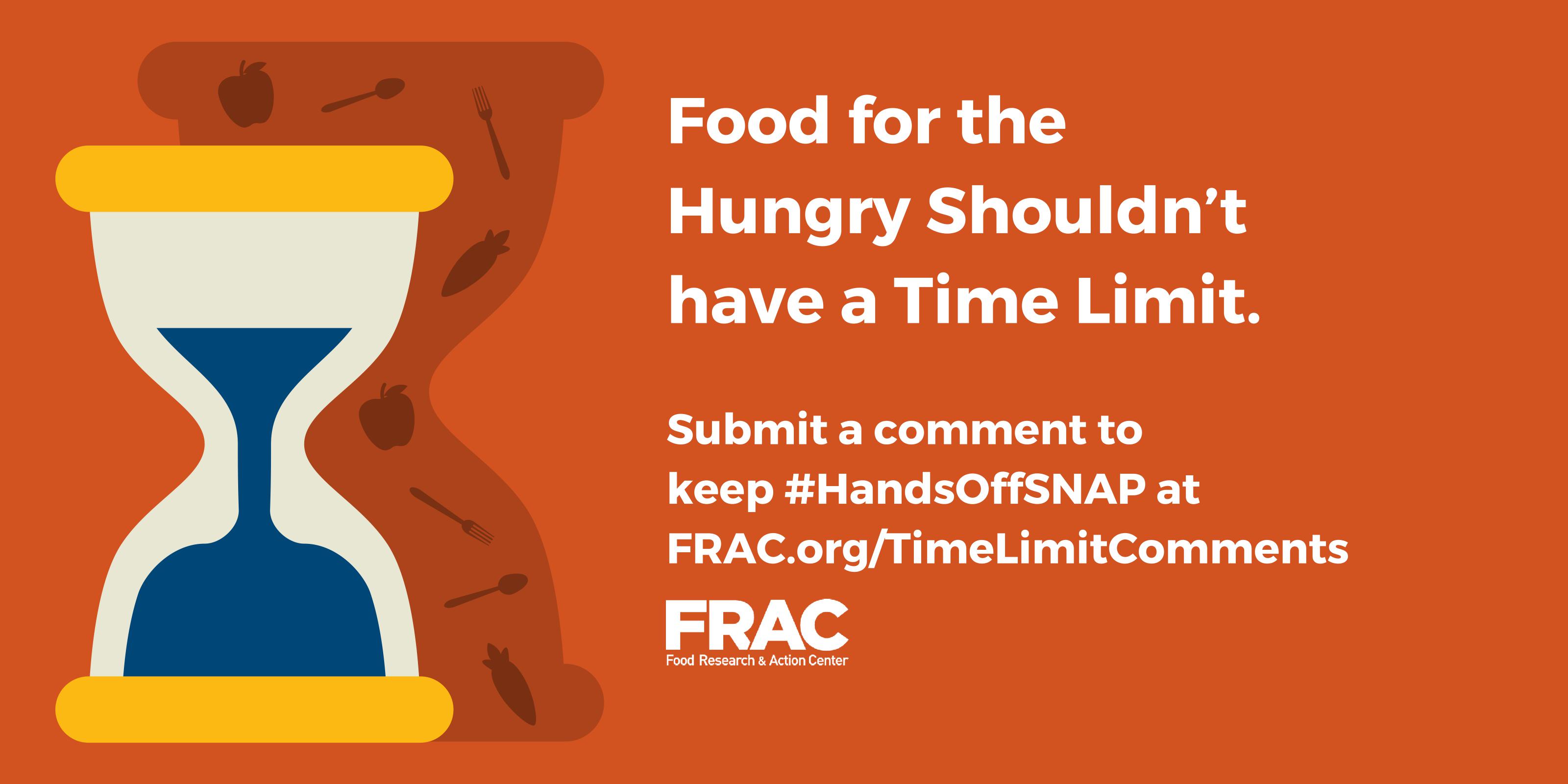
Congress passed H.R. 1, also known as the budget reconciliation law, on July 4, 2025, making sweeping changes to the Supplemental Nutrition Assistance Program (SNAP). The cuts to SNAP will be devastating to the health and well-being of millions of people, including children, older adults, veterans, people with disabilities, and communities. The impact will not end in grocery aisles and household kitchens; cuts to SNAP will have far-reaching negative consequences for school meals and other child nutrition programs.
Iowa Gov. Kim Reynolds announced on December 22 that Iowa would be participating in the Summer Electronic Benefit Transfer Program (Summer EBT) in 2026. Advocates have urged the state to adopt the program since it launched in 2024. FRAC applauds this decision, as research shows that Summer EBT reduces food insecurity, improves nutrition, and ensures that families have the benefits they need to purchase food at the time and at the places that work best for them.
