


Published June 22, 2026
New Bedford Public Schools served more than 1.2 million breakfasts, 1.9 million lunches, and 65,000 afterschool meals during the 2024–25 school year. On an average day, over 60 percent of the district’s students participate in school breakfast.
What drives this high participation? Free breakfast offered after the start of the school day.

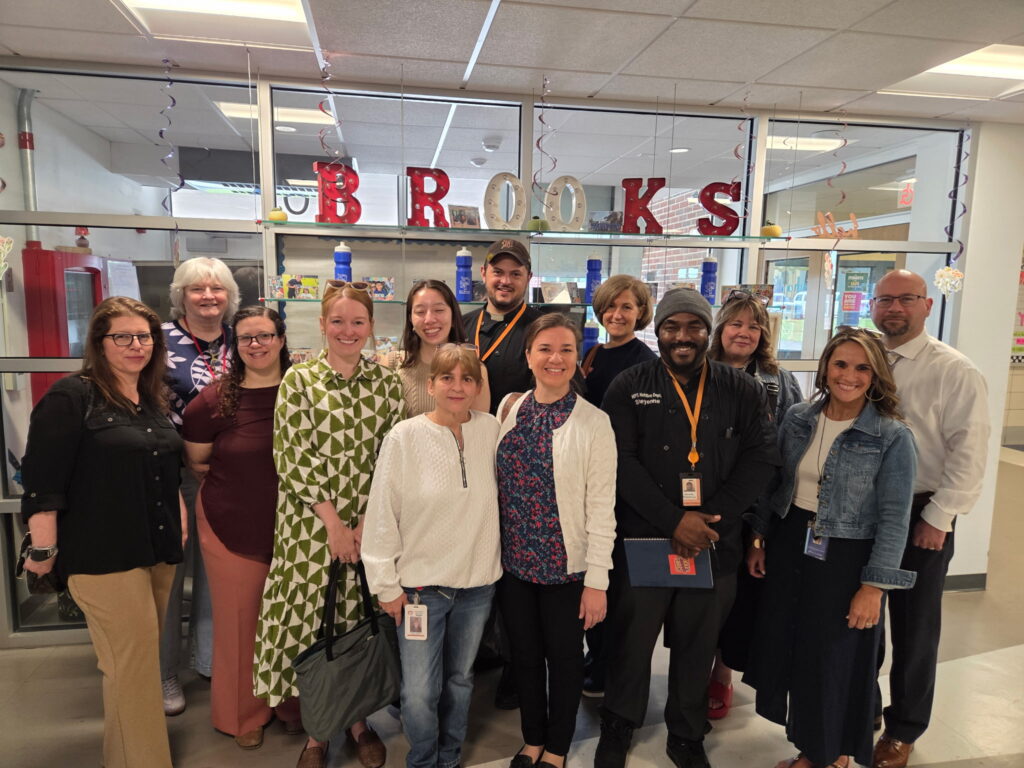
Last month, FRAC joined partners in New Bedford, including the Eos Foundation, to see breakfast in action at Brooks Elementary, which is located just 60 miles south of Boston.
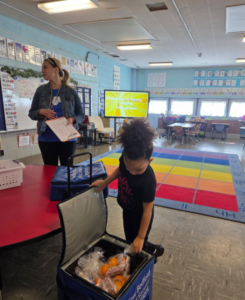
Every student at Brooks is offered a free breakfast during the first 10 minutes of the school day during morning announcements and while teachers take attendance. During our visit, kindergarteners picked up their meals from a cooler in the classroom and ate with their classmates before cleaning up when breakfast ended. Teachers said this model is a win-win because participation is high, stigma is reduced, and instructional time is protected.
The district’s Food and Nutrition team has perfected the process: Breakfast kits are prepared at the central kitchen and delivered directly to classrooms. At the end of meal service, one student is assigned to bring the kit equipment back to the cafeteria.
New Bedford Public Schools participates districtwide in the Community Eligibility Provision. Massachusetts also has a Healthy School Meals for All policy. Together, these policies provide critical support for breakfast after the bell models. However, any school can consider small changes to its meal service to increase participation and reduce the stigma sometimes associated with eating breakfast at school.
There are three primary options for serving breakfast after the bell:
- Breakfast in the classroom: Meals are delivered to and eaten in the classroom at the start of the school day.
- Grab and go: Students can quickly pick up breakfast from carts or kiosks in the hallway or cafeteria and eat in their classroom or in common areas.
- Second chance breakfast: Students are offered another opportunity to eat breakfast after the school day begins.
Bringing breakfast to where students already are is one of the lowest-cost, highest-impact strategies a school can use to support student health, attendance, and learning. Thank you to New Bedford Public Schools and the Food and Nutrition staff for allowing us to observe their breakfast service, and to the Eos Foundation for organizing this visit and for their support of school breakfast in Massachusetts.