



New Report: Food as Medicine Survey Findings: How Anti-Hunger Organizations Partner With Health Care Providers to Address Food Insecurity
A significant number of anti-hunger organizations across the U.S. that were surveyed about partnering with health care providers to connect patients to federal nutrition programs emphasized the need for additional investments to reach more patients with health–promoting programs. Learn more in FRAC’s latest report, Food as Medicine Survey Findings: How Anti-Hunger Organizations Partner With Health Care Providers to Address Food Insecurity.

Stay on top of new research with the ResearchWIRE.
Make sure you have the latest research on poverty, hunger, health, and the federal nutrition programs.
Recent Publications

The Impact of Poverty, Food Insecurity, and Poor Nutrition on Health and Well-Being
Read more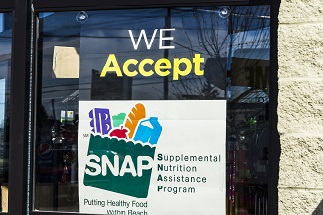
The Role of the Supplemental Nutrition Assistance Program in Improving Health and Well-Being
Read more
The Role of the Federal Child Nutrition Programs in Improving Health and Well-Being
Read more
The Importance of the Federal Nutrition Programs for Infants and Toddlers
Read more
Addressing Food Insecurity in Health Care Settings: Key Actions & Tools for Success
Read more
WIC is a Critical Economic, Nutrition, and Health Support for Children and Families
Read more
Summer Nutrition and Enrichment Programs: Effective Tools to Support Child Food Security, Health, and Learning During the Summertime
Read more

Free Online Course to Help Health Care Providers Address Senior Hunger
Screen and Intervene: Addressing Food Insecurity Among Older Adults
In just 60 minutes, health care providers and community-based partners can learn how to screen patients age 50 and older for food insecurity and connect them to key nutrition resources like the Supplemental Nutrition Assistance Program (SNAP).
The course, developed by FRAC and the AARP Foundation, is approved for 1.0 AMA PRA Category 1 Credits™ (MDs and DOs). All other learners can download a certificate of participation upon completion of the course. See the course for more information.