


Published July 2, 2026
During the school year, millions of children rely on school meals to stay nourished and ready to learn. When school lets out for the summer, children lose access to those daily meals. The Summer Nutrition Programs help fill that gap by providing free meals and snacks to children and teens 18 years old and under at approved sites in communities across the country. These programs help ensure that children can stay healthy, active, and connected to supportive community spaces while school is out.
Summer meals can make a meaningful difference for families, but too many children are still missing out. Lack of awareness is a common reason families do not participate. As summer begins, making sure families know where and how to access summer meals programs is critical.
Rising Costs Are Increasing the Need
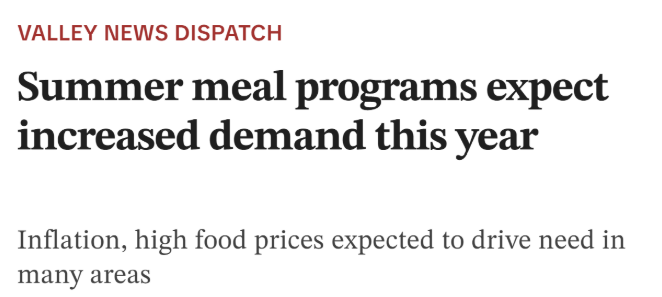
Summer meals are especially important this year as families continue to face rising food costs and tighter household budgets. For many families, the summer months can mean higher grocery bills while children are home for more meals each day. Local news coverage from across the country has already shown that summer meal programs are expecting increased demand because of families managing the rising cost of groceries, gas, utilities, and child care. In Pennsylvania, summer meal programs are preparing for more families to participate this year. In Kentucky, the growth of summer feeding programs has been connected to higher food prices. In New York, Warrensburg Central School District described its summer meals program as one way to ease the financial burden families are facing during these times.
How Families Can Find Summer Meals
Families can find nearby summer meal sites by using the U.S. Department of Agriculture’s Summer Meals for Kids Site Finder, contacting their state agency, or checking with local schools, libraries, parks and recreation departments, and community organizations. Meal site dates, times, and service options can vary, so families should confirm details before visiting. In some rural communities, families may also be able to access non-congregate meal options, such as meal pickup or delivery, where available.
Anti-Hunger Advocates Can Help
Anti-hunger advocates, schools, sponsors, local governments, libraries, health care providers, and community-based organizations all have a role to play in helping families find summer meals. Partners can share meal site information through social media, newsletters, text messages, flyers, community events, and trusted community members. Outreach is most effective when it is clear, repeated, accessible, and connected to places families already go. Learn more about effective strategies by watching FRAC’s recent webinar.
Now is the time to make sure families know where and how to access summer meals. FRAC encourages anti-hunger partners to spread the word, connect families to local meal sites, and continue advocating for strong Summer Nutrition Programs that reach every child who needs it.