


Stay on top of the latest news and research
Make sure you have all the facts about hunger and the federal nutrition programs.
Recent Publications & Data
See More Resources- Fact Sheet
Broad-Based Categorical Eligibility streamlines SNAP by cutting red tape for both families and states, making it easier to access and easier to administrate. Learn why eliminating BBCE would be bad for families, retailers, and state SNAP agencies.
Read the fact sheet - Best Practice
Discover federal, state, and community-based strategies for increasing redemption rates in Summer EBT.
Read the brief - Report
In Oklahoma, where the state has opted out of Summer EBT, Indian Tribal Organizations (ITOs) are stepping up—delivering benefits not only to their own citizens, but to entire communities. This FRAC and Indigenous Food and Agriculture Initiative brief explores what’s standing in the way of broader Tribal participation, the unique advantages of Tribal administration, and the support ITOs need to expand access.
Read the brief
Read the brief to see how Tribal leadership can strengthen Summer EBT. - Report
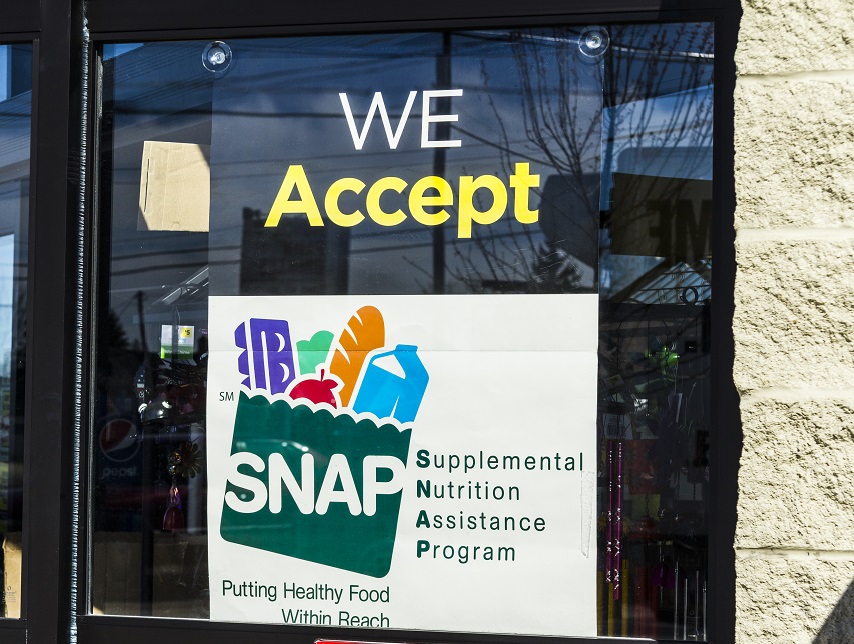
State efforts to restrict what people can buy using Supplemental Nutrition Assistance Program (SNAP) benefits are spreading across the country. FRAC’s new comprehensive analysis of SNAP food restriction waivers helps advocates and policymakers understand how we got here, what’s happening on the ground, and the implications for families, retailers, and communities.
Read the report