

TAKE ACTION TODAY

Individuals: Urge Congress to Reject the House Agriculture Committee Farm Bill, Restore Critical SNAP Funding
Email Your Members of Congress
Individuals: Send a Letter to the Editor to Your Local Paper
Tell Your Community Why SNAP Matters
Individuals: Urge Your Members of Congress to Cosponsor the Stop Child Hunger Act
Email Your Members of Congress
Individuals: Urge Congress to Reinstate USDA's Food Security Report
Email Your Members of Congress
Individuals: Urge Your House Representative to Cosponsor the MODERN WIC Act
Email Your Members of Congress

Take Action: Use the April/May Congressional Recesses to Engage Members of Congress to Reverse SNAP Cuts in H.R. 1
In anticipation of a possible floor vote this spring on the Farm, Food, and National Security Act of 2026, FRAC is working with House champions of the Supplemental Nutrition Assistance Program (SNAP) to urge Members to vote no on the bill, which fails to reverse any of the $187 billion in SNAP cuts in the budget reconciliation law, H.R. 1. This colossal failure to undo these cuts will lead to millions of people losing all or some of their SNAP benefits while also increasing administrative burden and establishing program costs for states.
Take Action Today
- Use the FRAC Action Network to send an email directly to your House Members urging a “no vote” on the Farm Bill if it advances to the House floor.
During the Recesses
- Senate recess (this can change at the discretion of the Majority Leader), March 28–April 12, and then, May 2–10 and May 23–31.
- House recess (timing also subject to the Speaker), March 28–April 13, May 2–11 and May 22–June 1.
- Fill out this form to allow FRAC to help you coordinate recess activities with your Members of Congress when they’re back home.
- Use FRAC’s Hometown Headlines tool to send a letter-to-the-editor to your local paper on why SNAP matters.
FRAC Resources
- FRAC President Crystal FitzSimon’s Letter to Members of Congress: “The Farm Bill must reflect the shared priorities of ensuring families can access the nutrition they need and support farmers. The House should reject this bill and return to the table to produce a Farm Bill that delivers for both farmers and families. Otherwise, no Farm Bill is better than a bad Farm Bill.”
- Farm Bill After Budget Reconciliation Law Must Restore Balance, Reject Harm
- A Deliberate Policy Design for Decline in SNAP Participation, and Consequences We Are Already Seeing
- FY 2027 Budget and Appropriations Leave Behind
- Bill’s We’re Supporting
- H.R. 1 microsite
- SNAP digital toolkit
Join us at the FRAC National Anti-Hunger Policy Conference Lobby Day on April 28. Contact Tim Klipp-Lockhart, TKlipp-Lockhart@frac.org, for support for engaging with your Members of Congress at the conference and during the congressional recesses, and for information on SNAP, contact Gina Plata-Nino, gplata-nino@frac.org.
Tell Your House Members: Reject the House Agriculture Committee Farm Bill, Restore Critical SNAP Funding
Urge House Leadership to stop the flawed H.R. 7567, the Farm Food, and National Security Act of 2026 from advancing to the floor for a vote and tell your Members to vote no if it does. The House must instead proceed with a bill that would reverse the devastating cuts and other harmful changes to the Supplemental Nutrition Assistance Program (SNAP) that were included in the budget reconciliation law, H.R. 1. Use the FRAC Action Network to email your Members of Congress with a single click.
Congress Must Act Quickly to Restore Harmful SNAP Cuts
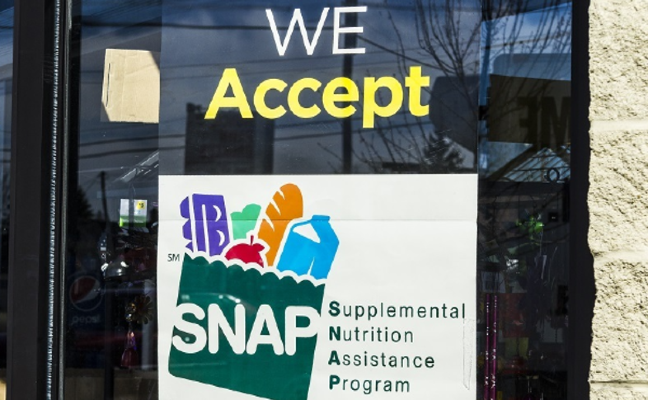
Congress must take immediate action to repeal the devastating cuts and harmful impacts on the Supplemental Nutrition Assistance Program (SNAP) that were included in the budget reconciliation law, H.R. 1. Anti-hunger advocates are urging Members of Congress to cosponsor and support the Restoring Food Security for American Families and Farmers Act of 2025, which repeals the cuts to SNAP.
- Share with your Members of Congress these FRAC resources:
-
- Protect SNAP: Legislative Priorities
- SNAP Cost-Shifts Will Increase Hunger, Strain State Budgets, and Deepen Economic Risk
- Table: Economic Strain and New SNAP Cost-Shifts Under H.R. 1 Across All States
- Playbook: Supporting State Economic Stability and Strength After H.R. 1 SNAP Cuts
- City Playbook: Preparing for the Impacts of H.R. 1 on Food Security and Local Economies
- Cuts to SNAP Threaten Child Nutrition Programs
-
- Use the FRAC Action Network to easily send your Members of Congress a pre-populated email, or craft your own;
- Get vocal on social and tag your Members.
For more information on engaging with your Members, contact Tim Klipp-Lockhart, tklipp-lockhart@frac.org, and for information on SNAP, Gina Plata-Nino, gplata-nino@frac.org.
Urge Your Members of Congress to Cosponsor the Stop Child Hunger Act
Ask your Members of Congress to cosponsor the Stop Child Hunger Act (S. 1622/H.R. 3217). This bill increases Summer EBT Program benefits for families, provides benefits during school breaks and unexpected closures, phases in the 50 percent administrative match for states, and provides funding for state implementation grants. Summer is the hungriest time of year for many children, underscoring the need to expand access to the Summer EBT Program.
Solving Hunger in America Through Leadership, Action, and Collaboration
America’s hunger crisis is deepening. Critical federal nutrition programs that keep hunger at bay are under attack. For more than five decades, FRAC has been at the forefront of protecting, strengthening, and expanding the reach of the federal nutrition programs. Discover FRAC’s impact in 2025.
Advocacy Needed to Reinstate USDA’s Food Security Report
The U.S. Department of Agriculture (USDA) has announced that, after this year, it will no longer release the Economic Research Service (ERS) Household Food Security report, the gold standard for measuring hunger in America. This decision silences the evidence we need to hold policymakers accountable and threatens to deepen America’s hunger crisis.
Take Action:
Individuals – Use the FRAC Action Network to urge your Members of Congress to reach out to USDA and demand it reinstate the ERS Household Food Security report.
Explore FRAC’s Budget Reconciliation Resources
Find statements, press releases, FRAC Chat blogs, bill analysis, interactive data tools, and more.
- 2025 Budget Reconciliation: Oppose Cuts to the Federal Food and Nutrition Programs
- Creating a Healthier Future by Protecting and Strengthening the Child Nutrition Programs
- Creating a Healthier Future by Protecting and Strengthening the Supplemental Nutrition Assistance Program (SNAP)
- Fiscal Year 2026 Budget and Appropriations Priorities for Food and Nutrition Programs
-
-
Visit Farm Bill 2025 for all Farm Bill legislation and actions.
-
Visit Budget, Reconciliation & Appropriations for all relevant legislation and actions.
-
Visit our Healthy School Meals for All (HSMFA) microsite for all HSMFA legislation and actions.
-
Visit FRAC’s Bills We’re Supporting page for additional priorities for families struggling against hunger.
-
Budget Reconciliation 101
Curious about Budget Reconciliation? Unsure about the process or special rules to look out for? Explore this three-page report that explains what you need to know.

Sign Up for the FRAC Action Network!
Urge your Representatives to support and strengthen the Federal Nutrition Programs. Learn about the latest opportunities for action by signing up for the FRAC Action Network. Hungry people can’t wait.
Take Action

Organize a Site Visit
Read More
Recent Publications & Data
See More Resources- Fact Sheet
Congress must pass legislation to strengthen SNAP. Explore FRAC’s legislative priorities for SNAP in this 2026 leave behind for the FRAC National Anti-Hunger Policy Conference.
Read the fact sheet - Fact Sheet
Among H.R. 1’s changes to SNAP policy is the exclusion of internet expenses from the shelter deduction. Learn how advocates can take proactive steps to minimize harm and ensure households can continue to access both utilities and the food they need in FRAC’s fact sheet.
Read the fact sheet - Fact Sheet
Explore how Congress can protect and strengthen the Child Nutrition Programs in FRAC’s 2026 leave behind for the National Anti-Hunger Policy Conference.
Download the leave behind - Fact Sheet
The Federal Nutrition Programs are a critical support for tens of millions of individuals and households — putting food on the table during times of need. Learn more in FRAC’s fiscal year 2027 leave behind.
Download the leave behind
News
FRAC Chat
The budget reconciliation law, H.R. 1, imposes the most severe cuts to the Supplemental Nutrition Assistance Program (SNAP) in its history. Its impact is already measurable: More than 2.5 million people have lost access to benefits. These losses are yet the beginning as the law dramatically expands administrative burdens on state agencies. Beyond the policy changes it makes to the program, it introduces two major cost shifts. First, it reduces the federal share of administrative funding from 50 percent to 25 percent, forcing states to absorb 75 percent of costs. States are already responding by freezing hiring or laying off staff, precisely when agencies must implement complex new requirements. Second, the law ties state financial penalties to payment error rates, pushing states to prioritize error reduction under constrained capacity, directly affecting SNAP access.
The proposed House Farm Bill provides no meaningful avenue to restore or strengthen the Supplemental Nutrition Assistance Program (SNAP). Instead, it advances provisions that weaken long‑standing statutory protections by undermining merit‑based staffing requirements and opening the door to privatization. Section 4103, titled “SNAP Staffing Flexibility,” if approved, will amend Section 11 of the Food and Nutrition Act (7 U.S.C. § 2020) to authorize states to contract with private entities to perform SNAP certification and other core administrative functions. As the Farm Bill heads to a floor vote, advocates should stay informed and actively oppose the current proposal.
Recent efforts by some policymakers are seeking to attack the Supplemental Nutrition Assistance Program (SNAP) payment error threshold provision, which has proven to be a pivotal quality control policy and has been validated by bipartisan support and administrations.